Ingredient
Flour
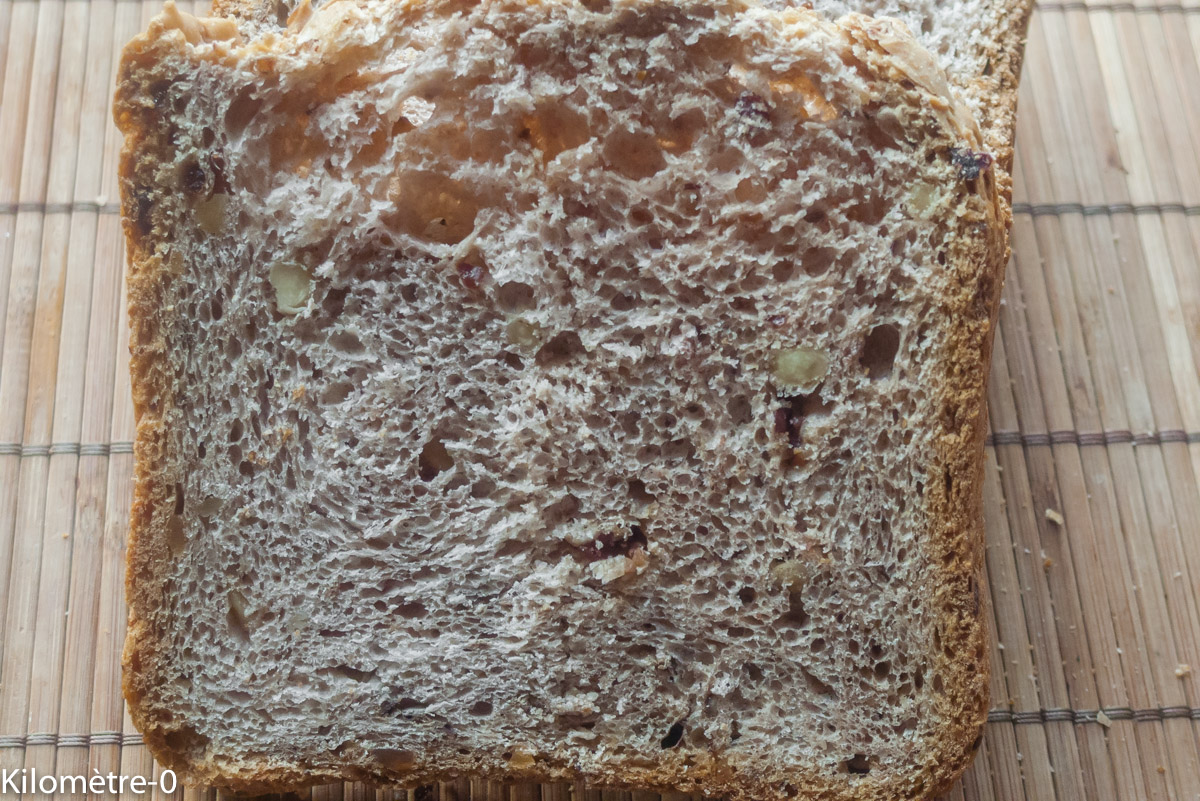
I often post recipes for breads and brioches that might tempt you to buy your flour in bigger quantities — alongside the one-kilo bags, there are more economical 5-kilo sacks. Buy it organic: spread across all the use you’ll get from it, the price difference is laughable. What’s more, the more wholemeal the flour, the more nutrients it holds. But the more wholemeal it is, the more of the wheat’s outer husk you keep — which is exactly where most pesticide residues sit… In short, you’ve worked it out: if you don’t eat organic flour and you follow current advice by choosing the most wholemeal flour you can for your health, you take in more pesticides… It’s cruel… I know a few people who, come tomorrow, won’t be asking for wholemeal bread at the bakery any more…
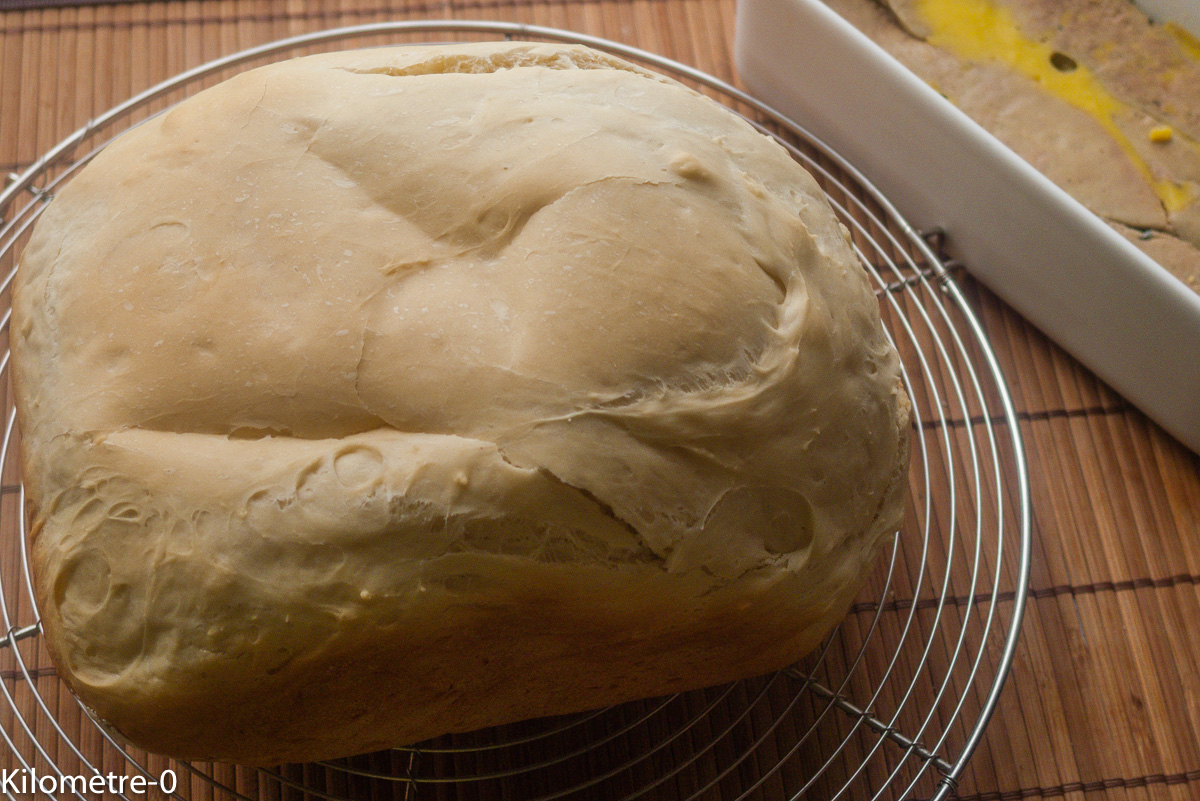
Do as much as you can yourself… A loaf made in a bread machine, even if it’s less pretty than the baker’s, is far healthier.
Now, which flour to choose?
Each type has its use (these are the French flour grades, by mineral content):
T45 (type 45: 0.45% minerals): pastries, brioches, crêpe batters
T55: the classic for white breads
T65: country bread, traditional bread, pizza
T80 (light wholemeal): speciality breads
T110 (semi-wholemeal) – T150 (wholemeal)
Myself, I use two kinds: T45 for brioches, because they rise much better, and T65 for everything else. Some swear by the richer T80, but to my taste it gives a more rustic flavour, less suited to how we eat today.
T65, like all the others (80, 110, 150), can be found in any organic supermarket; T45 is harder to come by. I buy it in bulk (30 kg) from the Giraudineau mill in Saint-Colomban (near Nantes). For T65, I’m fond of the one from the SCOP Pain Virgule co-operative.
Per 100 g
Variations